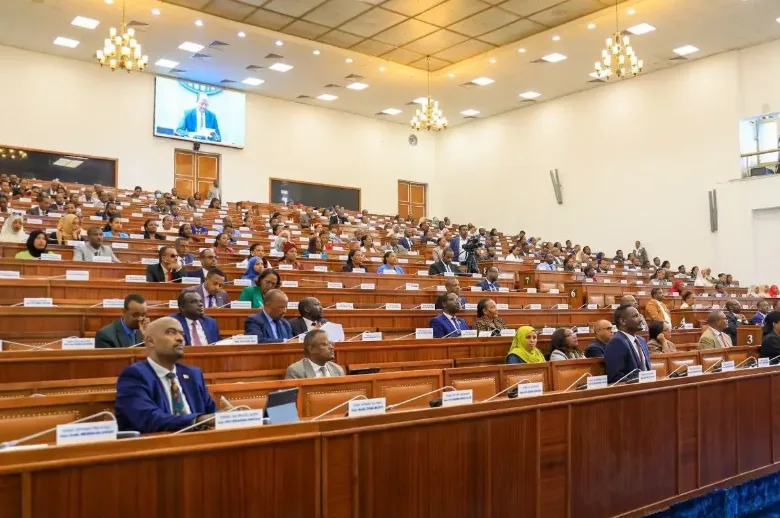
Draft Proclamation Presented to Parliament: Empowering Tax Authorities to Audit Records up to 10 Years Back to Combat Tax Evasion
A draft proclamation that authorizes tax collectors to audit accounts—going back up to 10 years—and levy additional taxes to prevent tax evasion has been presented to the House of Peoples' Representatives.
The draft, presented to the House yesterday, June 4, 2026, grants the tax authority broad powers to re-examine (audit) and assess additional taxes on taxpayers' financial records for up to 10 years if the authority obtains evidence confirming that tax evasion has occurred.
As stipulated in "Article 28" of this amendment draft to the Federal Tax Administration Proclamation No. 983/2016, if the authority obtains evidence confirming fraudulent activity, it may re-audit and amend the tax assessment within a 10-year statute of limitations, calculated from the date the tax declaration was filed.
This 10-year limit was established because, under Ethiopian commercial and accounting laws, financial documents are required to be retained for 10 years. However, for normal situations involving ordinary errors, the statute of limitations remains five years.
The draft proclamation establishes a strict regulatory system to curb tax evasion in the country, specifically imposing severe administrative and criminal penalties on transactions conducted without issuing receipts.
It is believed that the International Monetary Fund (IMF) advisory to Ethiopia, which stated that "there is a need to significantly strengthen the capacity to collect domestic tax and non-tax revenues," was a major factor behind the government's decision to present this draft.
Furthermore, the draft proclamation introduces a new "mediation system" to be implemented through an independent mediator, allowing for the swift resolution of disputes that may arise between the tax authority and the taxpayer during the audit and control process.
Under the previous law, taxpayers who wished to contest additional tax assessments were required to first pay 50 to 75 percent of the assessed amount before taking their case to the Tax Appeal Commission and the courts; however, this process was time-consuming.
The draft proclamation’s explanatory note indicates that the new procedure, while maintaining the existing formal process, will provide a significant opportunity to resolve disputes quickly and efficiently based on the principle of confidentiality through an independent mediator.