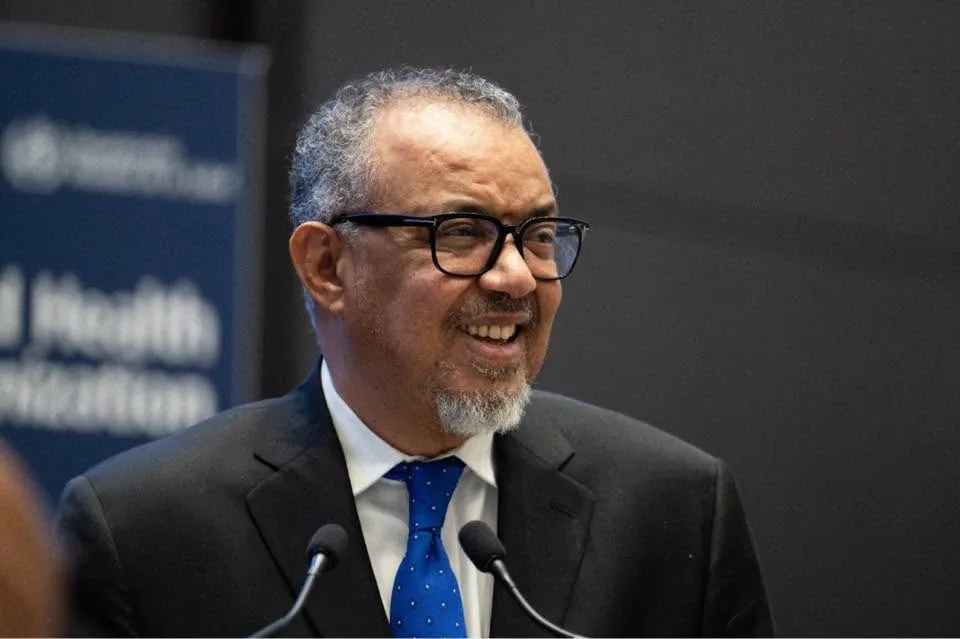
World Health Organization (WHO) Director-General Dr. Tedros Adhanom has expressed deep sorrow over the surge of xenophobic violence in South Africa calling for an immediate halt to the killings and the displacement of innocent people.
Dr. Tedros reported that the wave of violence this week has claimed the lives of several innocent people, including at least five Ethiopians and five Mozambicans.
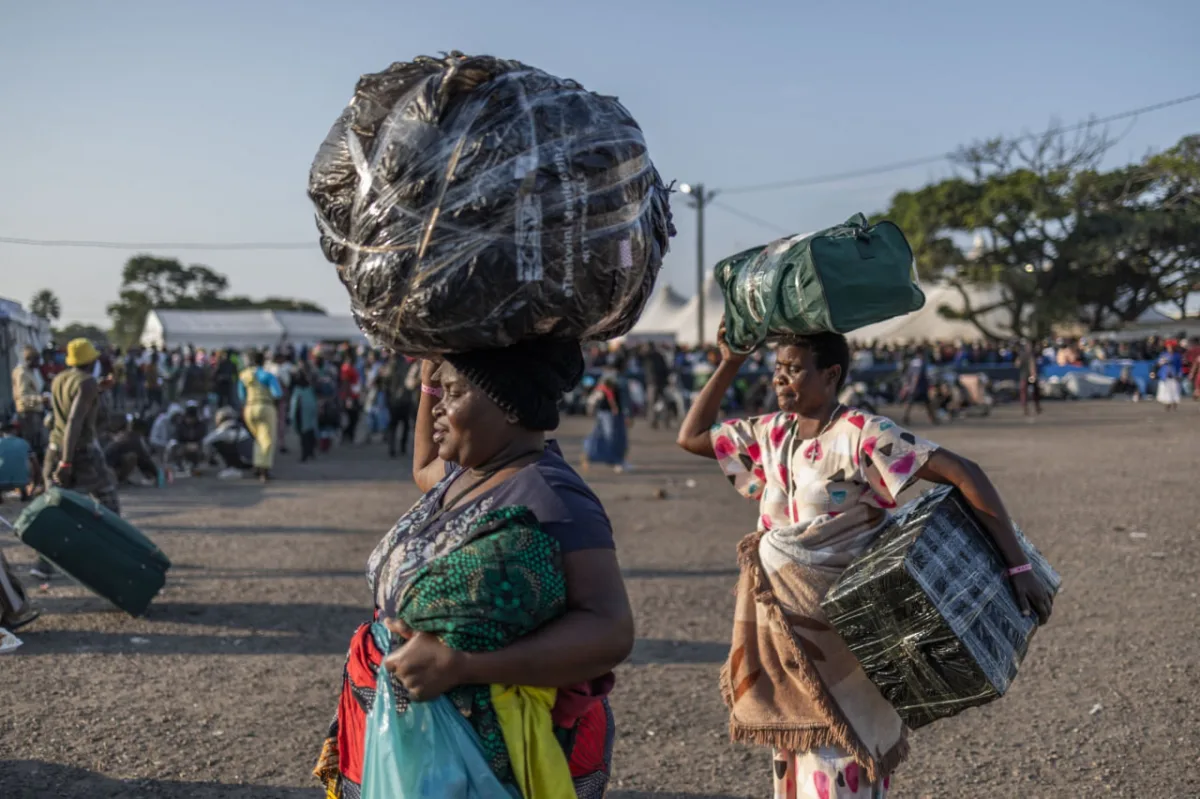
Describing the situation as "heartbreaking," the Director-General noted that thousands of families have been displaced, while thousands of others are currently fleeing for their lives. The intensity of the attacks has led hundreds to march on Parliament in protest.
In his statement, Dr. Tedros described the xenophobic turn in South Africa as a "tragic betrayal" of the country's struggle for independence and freedom.
He recalled that in 1962, Ethiopia proudly supported Nelson Mandela by issuing him a passport to travel the continent, and that other African nations provided essential political and financial support to dismantle apartheid.
He emphasized that such history makes the current violence a betrayal of shared values, stating that grievances must be addressed through the justice system and the rule of law, never through vigilante violence and collective punishment.
The current violence occurs amid heightened government pressure on migration. Following President Cyril Ramaphosa’s pledge to take stricter action against illegal migration, 2,745 foreign nationals have returned to their home countries in the past week.
The government stated that the majority of those who returned were residing in the country illegally.
South Africa, which has an unemployment rate of over 30 percent, hosts more than three million foreign nationals, accounting for 5.1 percent of its total population. In recent weeks, groups armed with clubs, whips, and shields have issued ultimatums for undocumented foreign nationals to leave by June 30.
This has led citizens of Nigeria, Malawi, Ghana, Zimbabwe, and Mozambique to accept voluntary repatriation programs organized by their respective governments. The South African government has stated that it does not manage refugee camps and has no plans to establish temporary shelters.
Dr. Tedros concluded by stating that "South Africa and Africa deserve better," urging an end to hate speech, the protection of the vulnerable, and the upholding of our shared humanity.