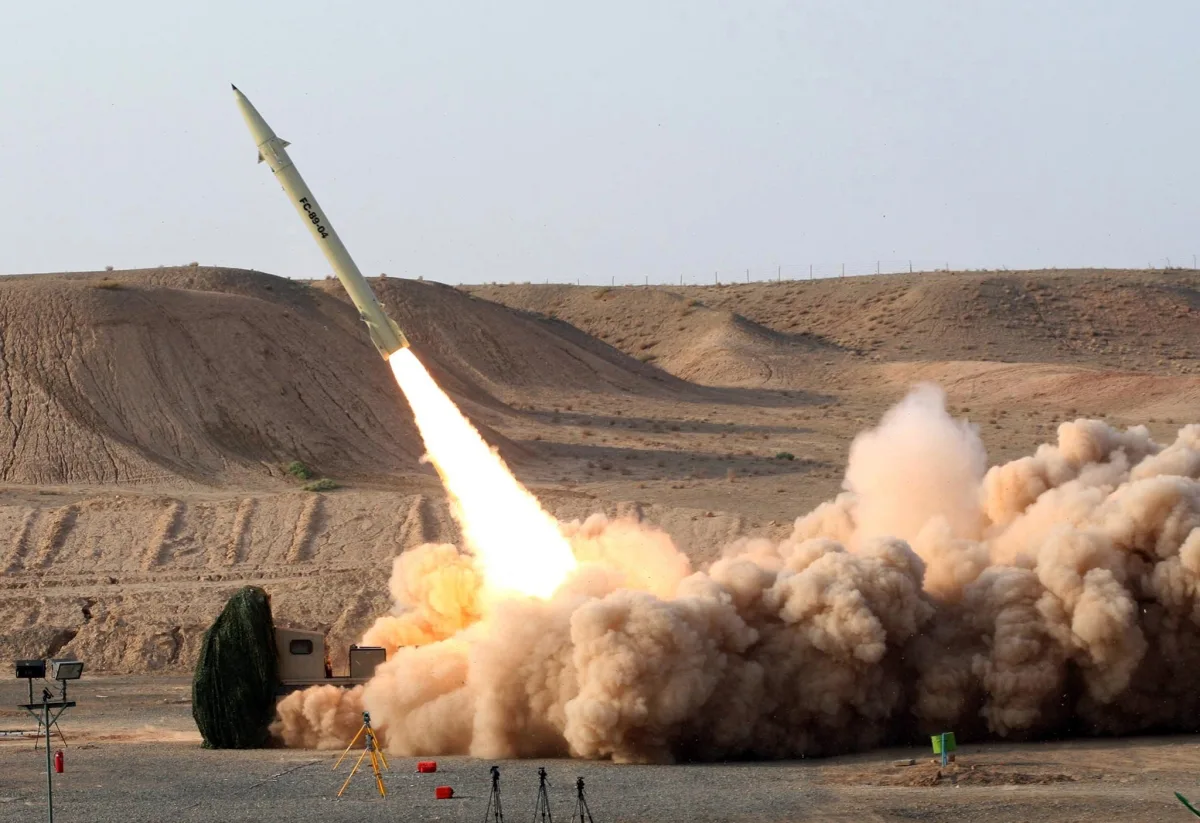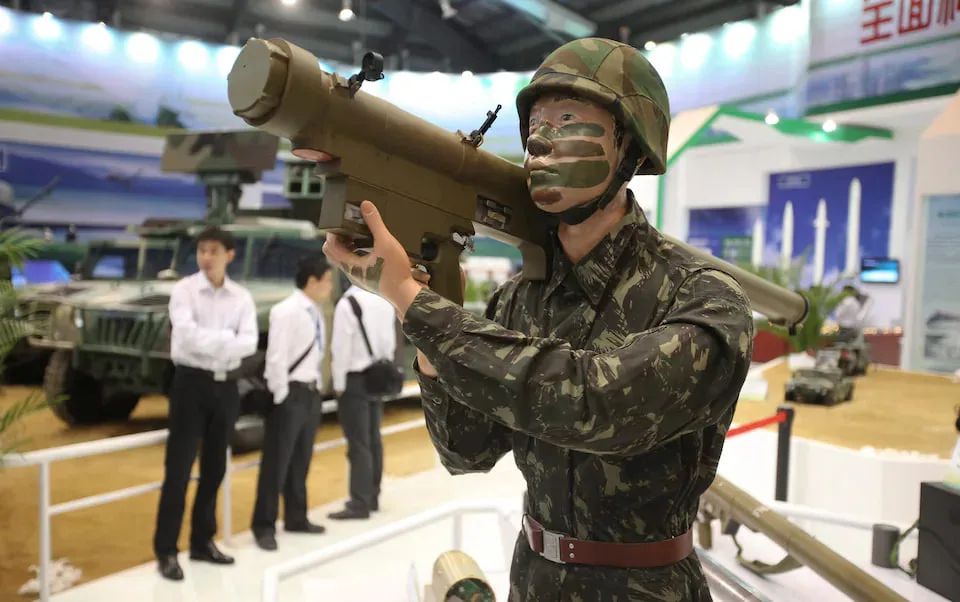
Foreign media outlets have widely reported that China is set to send 400 shoulder-fired anti-aircraft missile launchers to Iran to bolster its regional capabilities.
While the Beijing government has strongly dismissed the allegations as "completely groundless," this $70 million secret agreement is expected to severely strain relations between Chinese President Xi Jinping and US President Donald Trump.
Signed through a Hong Kong-based intermediary company, Zhongqing Baoshang International Investment, the contract reportedly includes QW-12 and FN-16 man-portable air-defense systems (MANPADS).
Described as powerful weapons that can be carried by a single individual, this purchase marks one of Tehran’s largest and most significant efforts to rebuild its short-range air defense capabilities and replenish weapon losses since the outbreak of the war with the US.
US intelligence indicates that China has previously supplied Tehran with chemicals used as ballistic fuel for ballistic missiles and critical materials for drone manufacturing.
Beyond direct military assistance, China has continued to purchase over 1.5 million barrels of Iranian crude oil per day, generating massive financial revenue for the country and providing Tehran with the economic leverage to sustain its war effort.
Crude oil market analysts noted that China's imports of Iranian oil reached 1.6 million barrels per day in March alone, marking a sharp increase compared to the 2025 national annual average of 1.4 million barrels per day.
Although US President Donald Trump previously stated following a diplomatic visit and talks with his Chinese counterpart that Xi Jinping had made a strong promise not to supply weapons to Iran calling it "a big statement" this newly revealed secret agreement threatens to plunge relations between the two leaders into a severe crisis.
Against the backdrop of widening conflicts across the Middle East, Saudi Arabia recently joined the US in launching heavy strikes against Iran, while Ukraine targeted an Iranian cargo vessel in the Caspian Sea.
Describing this incident as the first direct intersection between the wars in Iran and Ukraine, Ukrainian Foreign Minister Andrii Sybiha emphasized that Tehran's retaliatory threats are entirely unjustified and groundless