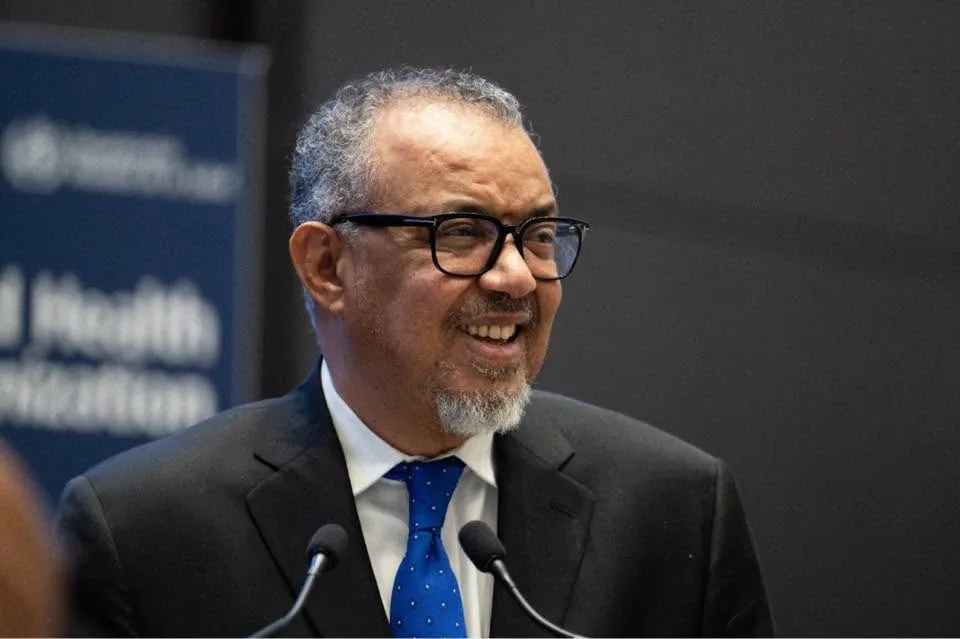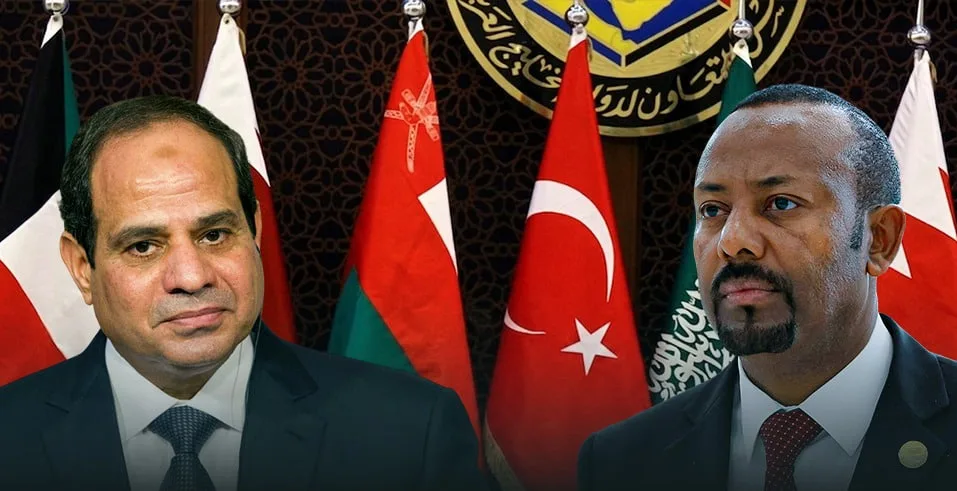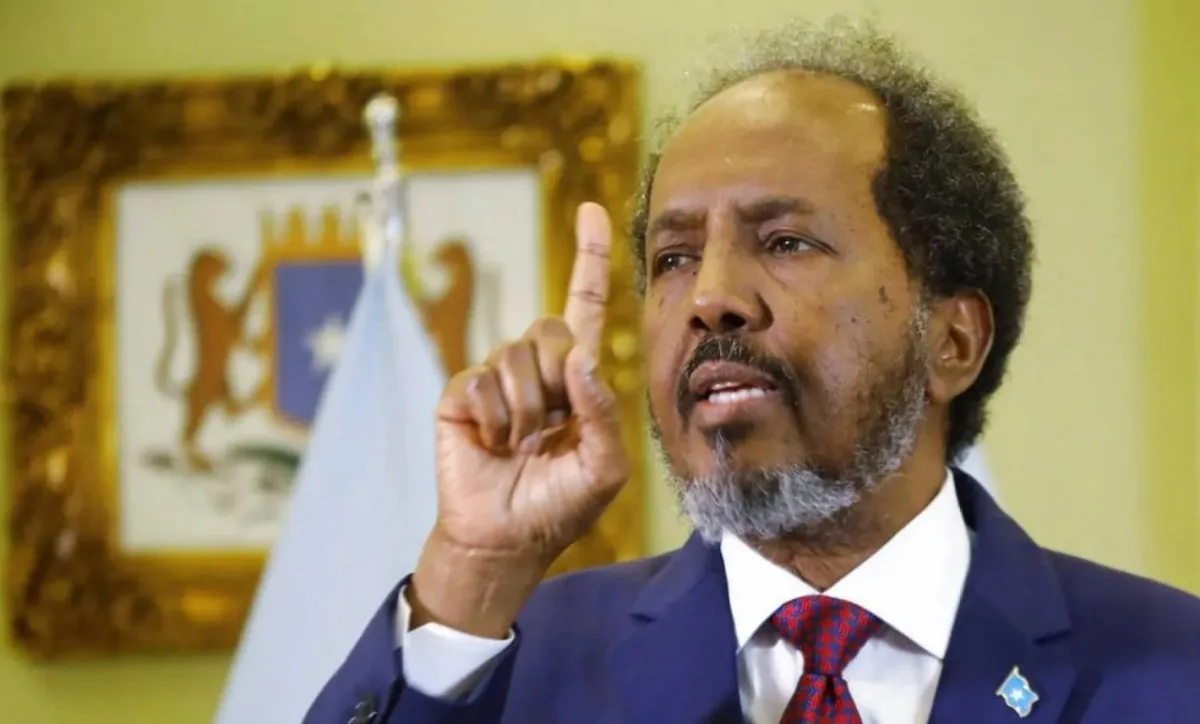
Somali President Hassan Sheikh Mohamud has triggered a significant diplomatic outcry after publicly identifying Ethiopia, Kenya, and Djibouti as “missing parts” of a “Greater Somalia”.
The remarks, delivered during Somalia’s independence anniversary celebrations, have been widely viewed as a revival of pan-Somali irredentism an ideology that historically fueled catastrophic regional conflicts.
Analysts argue that the timing of the statement is particularly contentious, given that Somalia is currently recalibrating its relations with its neighbors, most notably Ethiopia.
Ongoing tensions between Mogadishu and Addis Ababa, exacerbated by Ethiopia’s recent agreement with Somaliland, have led many to interpret the President’s “missing parts” rhetoric not merely as a rhetorical gesture, but as a signal of deep-seated, unresolved grievances.
Observers have offered three primary interpretations of the President’s message. Some suggest the rhetoric serves as a political tool to foster national unity among a population still scarred by decades of civil war and clan fragmentation.
Others view the remarks as a conventional, albeit symbolic, expression of national identity often featured in Independence Day addresses, rather than a formal policy shift. A third, more concerning interpretation posits that the language deliberately heightens tensions, given the volatile state of regional diplomacy.
The disparity between President Mohamud’s vision and the regional reality is stark. Ethiopia and Kenya, the very nations identified as “incomplete” parts of Somalia, are currently the primary external military powers providing the security backbone within Somalia itself.
Ethiopian and Kenyan forces have served as core components of the African Union peacekeeping mission for years, conducting operations against Al-Shabaab and maintaining stability that the Somali state cannot yet fully provide.
Furthermore, Djibouti has built a distinct national identity and maintains significant geopolitical importance independent of any pan-Somali framework.
Military analysts also note that the Somali state, which lost its significant military capacity during the 1991 civil war, has yet to rebuild the power necessary to support such irredentist ambitions.
The regions identified by the President are Ethiopia’s Somali Region, Kenya’s Northeastern Province, and the Republic of Djibouti are internationally recognized and stable entities that are expected to mount strong political and diplomatic resistance to any such claims.
Experts warn that by invoking an ideology that once contributed to the collapse of the Somali state, the President’s rhetoric poses a profound risk not only to Somalia’s own stability but to the broader security of the Horn of Africa