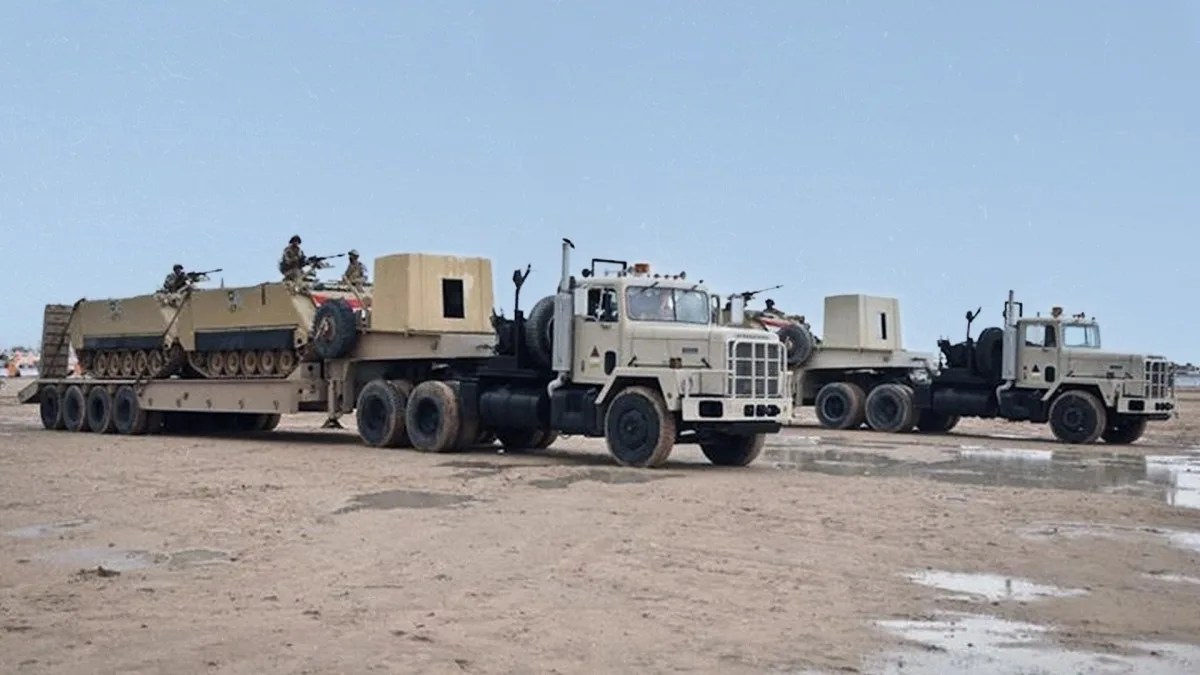
According to Arabic news sources, the South Sudanese government has ordered the immediate closure of a covert military facility that Egypt had established near the Ethiopian border and the Pajok area in the Upper Nile State.
This decision comes at a time when Egypt is struggling to protect its interests and historical water shares in the Nile Basin, Ethiopia's regional influence is growing, and the regional balance of power is shifting due to the war in Sudan.
The facility, which South Sudan ordered to be closed, was staffed by approximately 260 personnel and carried out tasks related to technical support, military training, advanced security monitoring, and logistical coordination.
One of the reasons that led the South Sudanese government to make this decision is that, following its signing of the Nile Basin Cooperative Framework Agreement, the country has decided to stand with the upper riparian states that wish to re-share the Nile water, thereby violating Egypt’s long-standing position as an advocate for the water rights of the lower riparian states.
Secondly, it is noted that due to the damage to oil infrastructure caused by the war in Sudan, Juba has moved closer to Addis Ababa to seek new alternatives and does not want to enter into a conflict with Ethiopia.
On the other hand, another reason is the concern that South Sudan might be drawn into the escalating tension between Sudan and Ethiopia.
Furthermore, it is said that South Sudanese President Salva Kiir made this decision to demonstrate the country's strong sovereign authority in the eyes of his rivals and allies.
As a result, it is suggested that the closure of this military facility deprives Egypt of an option it had for monitoring the activities of the Grand Ethiopian Renaissance Dam (GERD).
However, it is predicted that Egypt will inevitably continue working to isolate Ethiopia in future Red Sea security arrangements, strengthen its alliance with Eritrea, protect Somalia's territorial integrity, and solidify its coordination with the Sudanese regular army.
Currently, the high-level diplomatic and security activities observed in Cairo and Addis Ababa regarding Somalia, Eritrea, Djibouti, and Uganda indicate that the region is entering a new phase of power alignment and strategic friction.
Overall, the South Sudanese government's decision not only strengthens Ethiopia's regional influence but also poses a new challenge to Egypt's efforts to maintain its military and diplomatic dominance in the region.
However, the long-term effectiveness of this decision will be measured by the strength of the economic and security cooperation between South Sudan and Ethiopia.