By Mekonnen Almaw
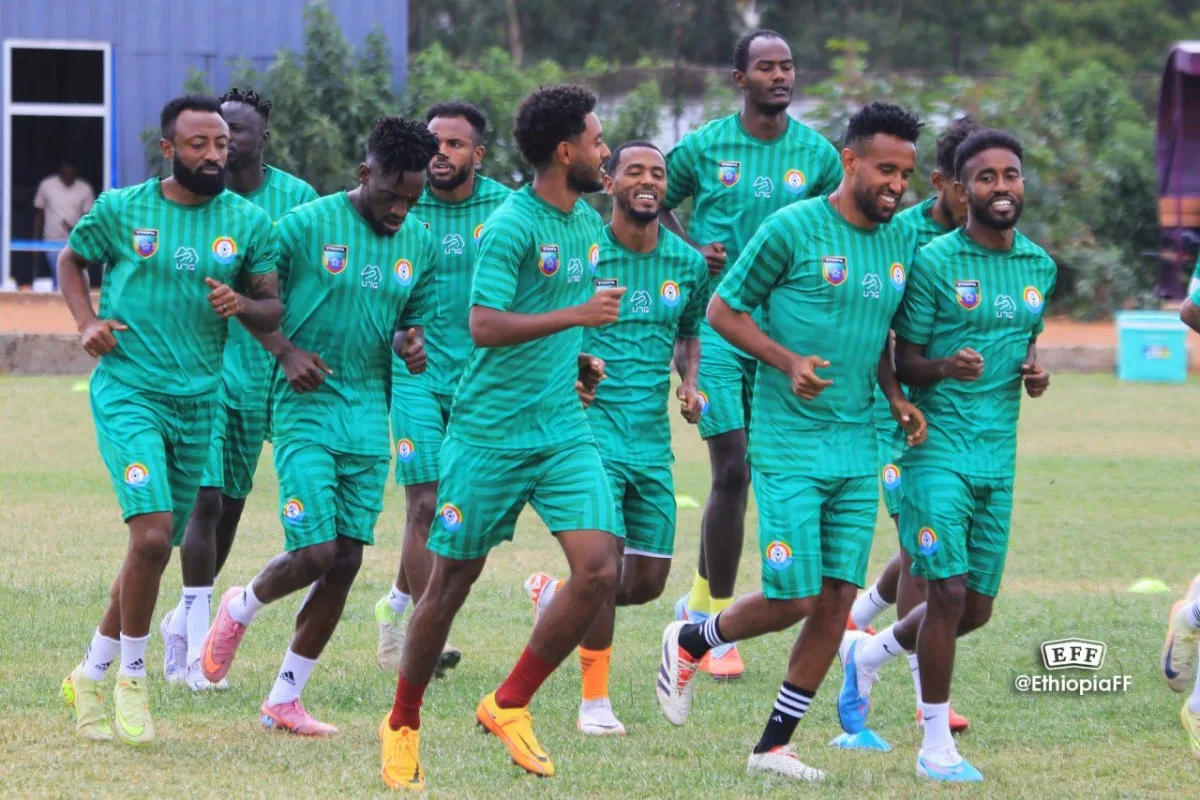
The Ethiopian people, determined to reignite the hope they once held for football, have set their sights on a new generation. Currently competing in Morocco, the Ethiopian U-17 national team is set to play a crucial continental match tonight that could propel them onto the world stage.
Ethiopia is a nation with a rich history, recognized by both scholars and historical records as a pioneer not only in Africa but globally across various fields. The country possesses a storied past in sports as well, a legacy that once filled its people with immense pride.
However, it seems as though a spell was cast, causing that beautiful history to fade and remain elusive for years. Particularly over the last decade, there hasn't been a significant achievement on the continental or global stage that has made Ethiopians hold their heads high. With the national team forced to play "home" games in rented stadiums abroad, the public eventually turned its attention to European clubs.
Yet, it appears a new generation has emerged—one capable of erasing that unpleasant history and thrilling football-loving fans, much like the "Walias" once did.
This hope first flickered during the U-17 Africa Cup of Nations (AFCON) CECAFA qualifiers, hosted in Ethiopia starting November 15, 2025. For a nation that has struggled to participate in continental and global stages, the moment these young talents secured their place in the Africa Cup of Nations ignited a beacon of hope in the hearts of the people.
The dream became tangible when the Ethiopian U-17 team defeated Kenya 3–0 in the third-place playoff at the Abebe Bikila Stadium. Dawit Kassaw opened the scoring in the 66th minute, captain Biniyam Abraha doubled the lead in the 79th minute, and Bruk Aylelachew sealed the victory with a header in the 93rd minute, just moments after coming on as a substitute.
Following this result, Ethiopia qualified for the 16th edition of the U-17 Africa Cup of Nations, currently being held in Morocco. The last time Ethiopia participated in the U-17 AFCON was in 2003, when Switzerland hosted the tournament. After a 22-year wait, they are finally back on the continental stage.
Interestingly, history repeated itself in a poetic way: 22 years ago, Ethiopia also qualified for the Africa Cup of Nations by defeating Kenya.
During those qualifiers, the young stars showed immense promise. It was there, back in November, that many began to believe these youngsters would write a glorious new chapter in Ethiopian football. Players like striker Dawit Kassaw—who finished the tournament as top scorer with 8 goals—and captain/midfielder Biniyam Abraha proved they are budding stars with the potential to shine in European clubs.
The team, now dubbed the "Red Foxes," has continued its steady journey. They arrived in Morocco a week ago to compete in their fourth-ever U-17 AFCON appearance. They navigated the group stage with respectable results: a draw against Egypt, a 2–1 loss to the hosts Morocco, and a 1–0 victory over Tanzania, finishing third in their group with 4 points.
By finishing as one of the best third-placed teams, they secured a spot in the knockout playoffs, offering a golden opportunity to qualify for the U-17 World Cup in Qatar. The Red Foxes are set to face Mozambique in this decisive playoff match tonight, Saturday, at 7:00 PM local time. If they win tonight, they will qualify directly for the World Cup.
The draw for the Qatar U-17 World Cup was released the day before yesterday. It was announced that the winner of the Ethiopia vs. Mozambique match would be placed in Group 2, alongside South Korea, Ecuador, and New Caledonia. The U-17 World Cup is scheduled to take place in Qatar in November of next year.
Can Ethiopia make its mark on this stage where it has been unknown for so long? Will the Red Foxes succeed where the Walias couldn't, reaching the global stage? Will the football-loving Ethiopian public be blessed to see their representatives—these young boys wearing the Green, Yellow, and Red—compete at the World Cup? Will these hopefuls shine brightly on a stage where Ethiopia has been absent, illuminating the country's dark football landscape?
One cannot help but remember October 14, 2012, when the Ethiopian national team returned to the Africa Cup of Nations after a 31-year drought. Will Coach Benjamin Zimmer succeed in achieving an unforgettable milestone—an accomplishment to rival that of Instructor Sewnet Bishaw—and shine the sun on Ethiopian football on the continental and global stage?
The result of tonight's match will tell us the answer. Until then, we wait with hope!