Ethiopian Airlines Group officially released its performance report for the 2018 fiscal year today, July 22, 2018, revealing that the airline generated $9.1 billion (over 1.4 trillion birr) in revenue during the concluded budget period.
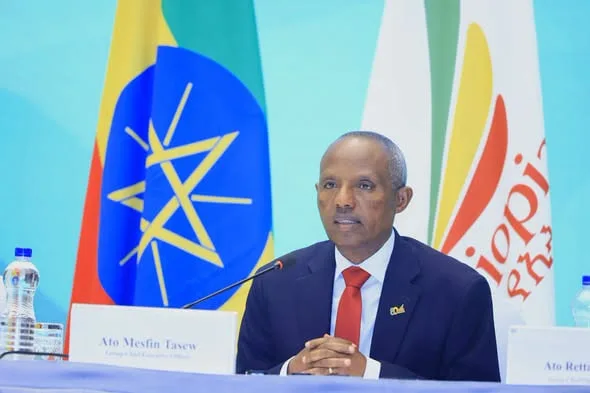
Group Chief Executive Officer Mesfin Tasew announced the figures during a press briefing, noting that while the revenue reflects a 20 percent growth compared to the previous year, it experienced a slight decrease relative to the set target.
According to CEO Mesfin, several key factors hindered the full achievement of the plan, including security crises in the Middle East and Gulf states, a sharp surge in jet fuel prices, a shortage of large aircraft, and new travel restrictions imposed by certain nations.
Despite these hurdles, the airline transported 20.7 million passengers during the fiscal year, marking a 10 percent increase from the previous year. It also handled 897,000 tons of cargo, registering a 16 percent growth.
Furthermore, Ethiopian Airlines expanded its international network to 150 destinations by adding four new routes and increased its domestic destinations from 22 to 25.
During the same period, nine new aircraft joined the fleet through purchases and leases. Beyond core flight and airport operations, the airline generated an additional $6.8 million by manufacturing and supplying aircraft components for 68 Boeing airplanes.
The CEO also highlighted that global increases in jet fuel prices and the Gulf crisis which disrupted fuel transport logistics drove the airline's annual operational costs up by 25 percent.
The regional turmoil additionally forced the suspension of about 10 flights to the area and reduced travel between Africa and North America.
Looking ahead, Ethiopian Airlines plans to push its revenue target to $10 billion in the upcoming fiscal year. Meanwhile, infrastructure upgrades are underway, including the rehabilitation of Bole International Airport's runway and the modernization of domestic airports.
Regarding the ambitious Bishoftu Airport project, the relocation of farmers residing on the site has been fully completed, and efforts to secure project financing are currently underway.