The Addis Ababa City Administration Trade Bureau announced that it has taken strict disciplinary and legal measures against 62 of its officials and employees found involved in corruption and malpractice during the 2018 fiscal year performance review.
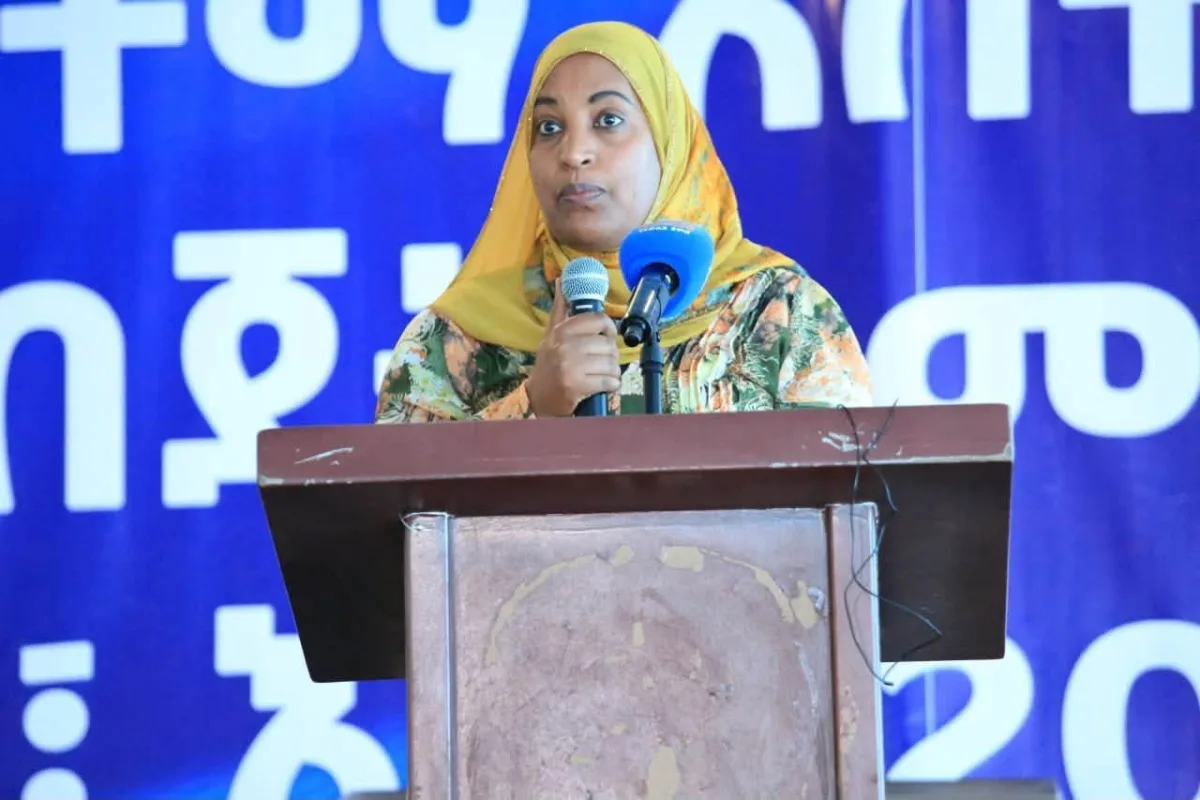
Announcing the performance report to the public, Trade Bureau Head Habiba Siraj emphasized that corruption and malpractice within the institution have been steadily decreasing over time.
She explained that following control and inspection operations, 62 employees and officials suspected of involvement in illicit activities and malpractices were identified and subjected to appropriate measures.
To enforce a lawful trade system across the city, the Bureau also took legal action against more than 24,000 traders engaged in illegal trade.
Addressing citywide trader demographics, Habiba stated that the total number of registered traders has reached 470,000. Regarding those who left the trade sector or changed their lines of business, she clarified that the number of traders who returned their business licenses or switched sectors does not exceed 10,000.
To modernize the business community's operations and eliminate bureaucratic red tape, 16 trade registration and licensing services have fully transitioned to digital systems over the past five years.
During the concluded fiscal year, a total of over 706,800 services were delivered online under modern trade registration and licensing.
This includes over 105,700 new business licenses issued and 339,784 license renewals processed. While obtaining these services previously took days, the bureau noted that the streamlined digital process now takes only 30 to 40 minutes.
Special attention was also given to traders displaced due to urban development projects. During the fiscal year alone, 5,556 new commercial spaces were constructed and distributed to displaced traders.
Furthermore, 524 commercial shops that were previously sealed and confiscated due to illegal activities were verified and transferred back to their rightful legal owners.
To curb ongoing inflation and boost product supply in the city, significant initiatives were implemented. A prime example is the construction and operationalization of 7 modern agricultural produce distribution centers at a cost of 15.9 billion birr.
These centers are playing a vital role in stabilizing the cost of living by enabling consumers to directly purchase goods at price discounts ranging from 19.8% to 25%.