The Ethiopian National Dialogue Commission is set to officially launch its highly anticipated national consultative conference tomorrow, Hamle 8, 2018 E.C. The forum is designed to address deep-seated political and social grievances through peaceful dialogue.
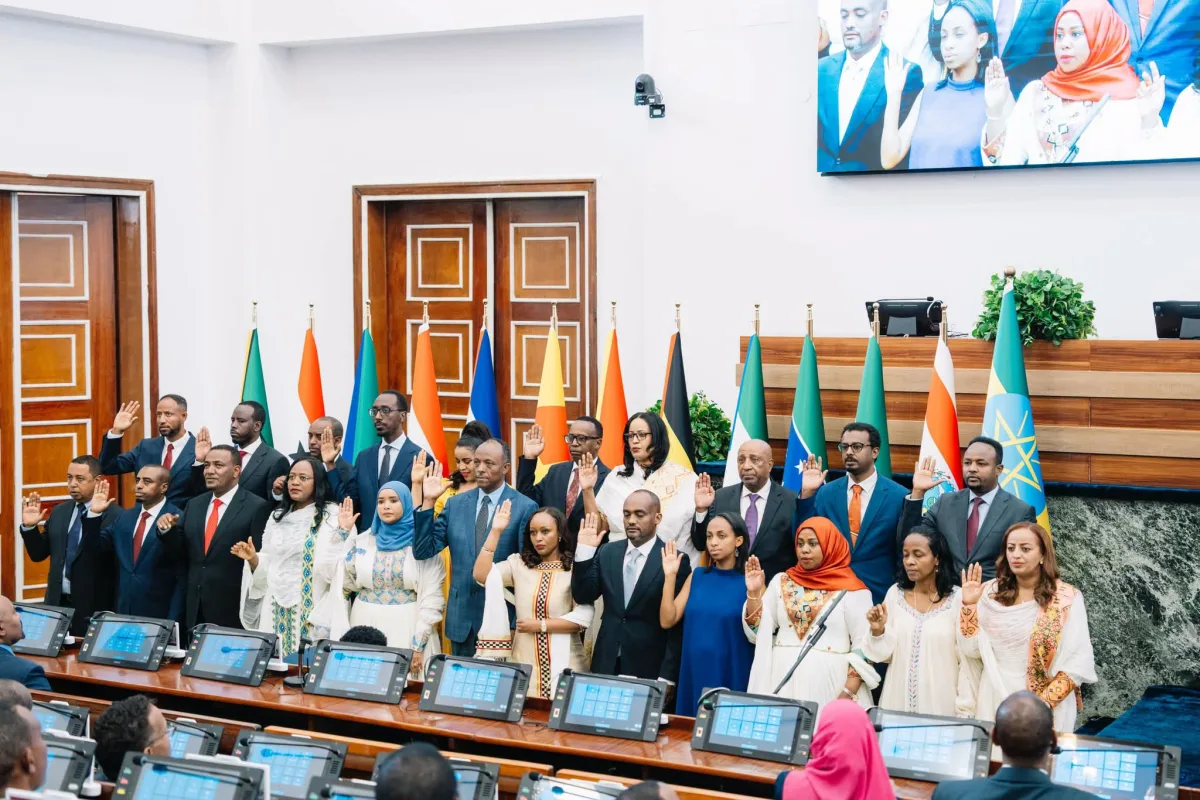
The conference is expected to be a pivotal milestone for the country’s lasting peace and stability. More than 4,000 delegates, representing a broad spectrum of society from across the country, have gathered in Addis Ababa to deliberate on critical national issues that will shape Ethiopia's future.
Established by Proclamation No. 1265/2014, ratified by the House of Peoples' Representatives on Tahsas 20, 2014 E.C., the Commission’s primary mandate is to foster national consensus on historical, political, and fundamental issues. This consensus is intended to lay the groundwork for sustainable peace, democracy, and the rule of law.
Although the Commission was initially granted a three-year mandate, various challenges hindered the completion of its work within the original timeframe, necessitating extensions. The first extension was granted in Yekatit 2017 E.C. for one year.
Most recently, on Yekatit 11, 2018 E.C., the House of Peoples' Representatives held an emergency session and authorized a second extension of eight months to ensure the successful completion of the national dialogue process.
The three-week conference will serve as an inclusive platform for government officials, political parties, pastoralists, farmers, the business community, security institutions, civil society organizations, people with disabilities, and other diverse societal segments.
Over the past four years, the Commission has traveled to all 11 regional states and the two city administrations, while also collecting inputs from the Ethiopian diaspora to finalize the agenda for this assembly.
Key agenda items to be addressed during the conference include constitutional amendments, government structure, the administrative status of Addis Ababa and Dire Dawa, and electoral systems.
Furthermore, the commission has previously identified eight major thematic areas for discussion, including the protection of human rights, the neutrality of security institutions, land ownership, anti-corruption and good governance, and peace-building processes.
To ensure a structured and constructive environment, the 4,000 delegates will be divided into eight groups of 500 members each. A panel of experts from various fields will provide briefings and guide the deliberations, with the primary responsibility of helping participants move beyond emotional responses to engage in logical, substantive discussions and resolve potential disagreements diplomatically.
In a message delivered on the eve of the conference, Prime Minister Abiy Ahmed (PhD) described the upcoming dialogue as a "new chapter in history" that will fully determine the destiny and future prospects of both the current and coming generations.
"Today, what our country needs is not those who take up arms, but peace advocates armed with maturity of thought, truth, knowledge, and steadfastness," the Prime Minister stated. He expressed his confidence that through civil discourse and peaceful dialogue, Ethiopians will overcome current challenges and transition together toward prosperity.