Inside the Khamis Mushait detention facility in Saudi Arabia, hundreds of Ethiopian migrants are trapped in a harrowing, perpetual countdown to death. For these detainees, the sound of security guards knocking on cell doors is no longer a routine checkit is a terrifying summons to their final moments.
According to a report by Middle East Eye, the atmosphere within the prison has become one of systematic intimidation. One detainee, speaking on condition of anonymity via a smuggled mobile phone, described a chilling scene this past April: guards entered the overcrowded ward in Aseer province, read a list of names, and removed a group of Ethiopian men.
Two hours later, they returned to inform the remaining prisoners that three of their countrymen had been beheaded, offering the news as a blunt warning of the fate awaiting them all."Every time the guards knock on the door, we fear our names will be called next," the prisoner said. "We feel we are just another number among the many who have been wrongfully accused."
The accounts from inside the facility reveal a pattern of systemic abuse. Many prisoners, apprehended in the volatile "Rago" border region between Yemen and Saudi Arabia, report suffering brutal physical violence during their initial detention.
Others describe a judicial process devoid of basic legal rights. One detainee recounted how he was presented with 41 kilograms of narcotics and forced to sign a confession in Arabic a language he could not read. "They made me believe it was mine and forced me to sign documents I did not understand," he told Middle East Eye.
Human rights advocates highlight a recurring failure in the Saudi legal system: the lack of translators and the reliance on coerced confessions to secure death sentences against foreign nationals.
According to an Amnesty International report, Saudi Arabia has executed nearly 100 people this year alone, with the majority of those sentenced for drug-related offenses being foreign nationals. The situation at Khamis Mushait is critical, with at least 63 Ethiopian nationals held in a single ward, facing an imminent risk of execution. Regional officials and rights groups estimate that up to 200 Ethiopians are currently on death row across the kingdom.
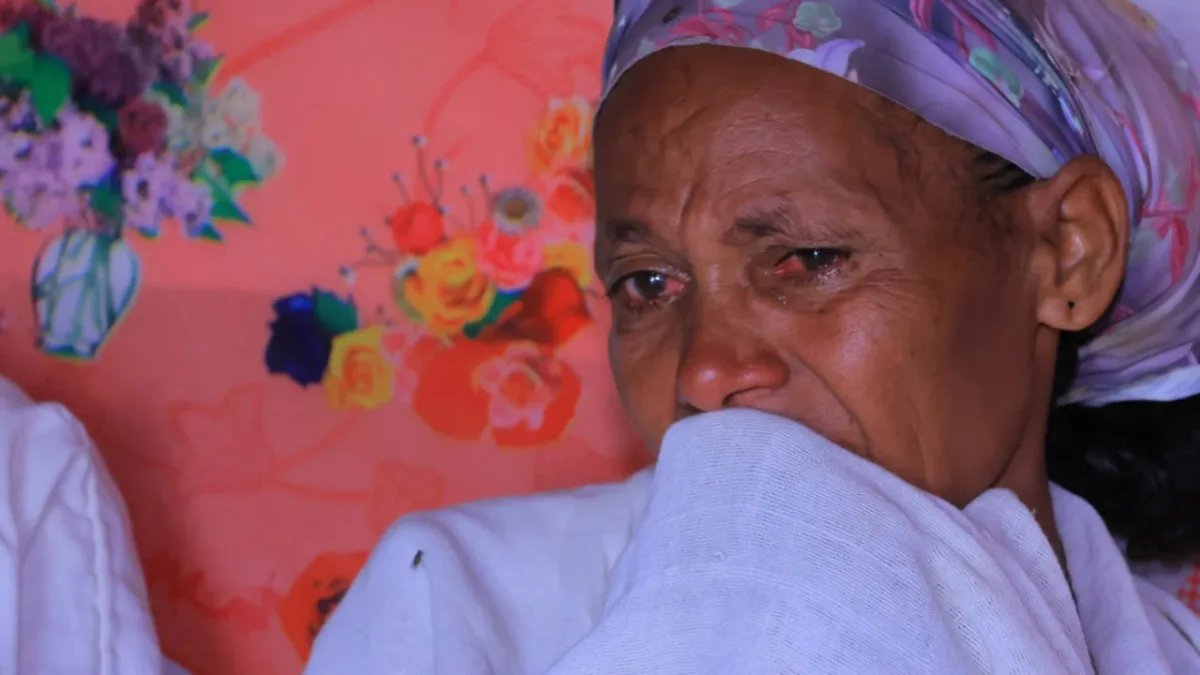
The human toll of these policies is devastating families back in Ethiopia’s Tigray region. Among those executed in April was 30-year-old Kibrom Gebremariam. His mother, Gimja Gebremariam, told Middle East Eye that her family had been anticipating his wedding, not his death."Illegal migration took our children," she said, her voice heavy with grief. "His murder has become an open wound for us."
Kibrom’s father, Gebremariam Gebrezgiabher, remains shattered by the loss, haunted by the fact that the authorities denied him the remains of his son to bury. Similarly, the family of Tsigabu Hagos, another executed detainee, maintains that their son was a laborer with dreams of self-sufficiency, not a criminal.
The mass migration from Tigray, driven by the lingering scars of war, economic collapse, and political instability, continues unabated. Even with knowledge of these executions, young people like Kibrom’s sister, Masho, say the crushing economic reality at home leaves them with no choice but to consider the same perilous journey.
Regional leaders and religious figures in Tigray have appealed to Saudi authorities for clemency, while Human Rights Watch researcher Nadia Hardman has called on international partners to intervene urgently, citing the kingdom's "profound disregard" for the lives of foreign migrants.
For the families in Egela village, the message is one of desperate urgency. As Kibrom’s father whispered in a voice barely audible, "That must end." It is a plea that serves as a grim testament to the hundreds of lives currently hanging in the balance behind the walls of Khamis Mushait.