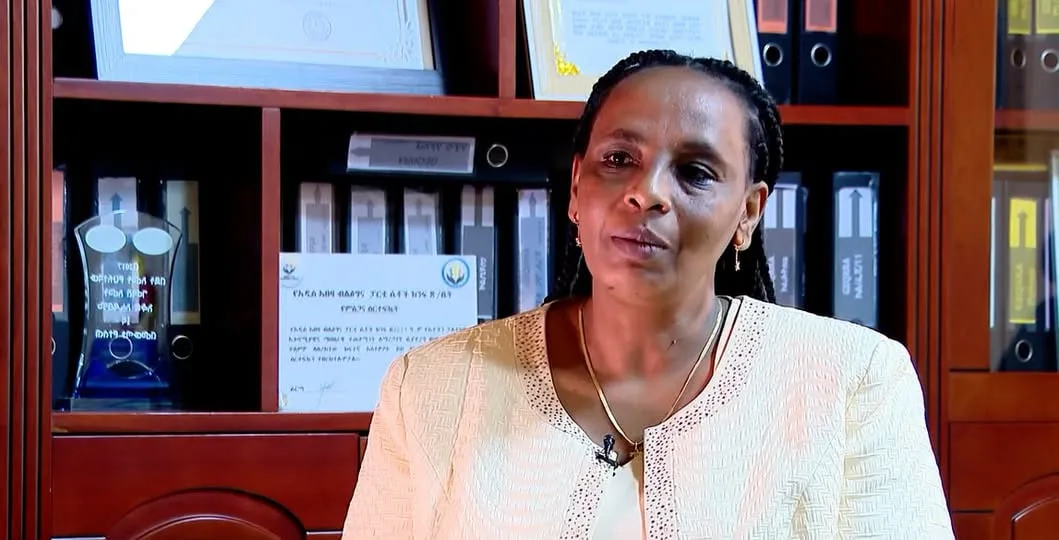
The Ethiopian Consumer Rights Protection Organization has formally called for the immediate suspension and comprehensive review of recently implemented tariff adjustments across various government service sectors.
The organization argues that the current hikes fail to account for the diminished purchasing power of citizens and risk pushing a significant portion of the population into poverty.
While acknowledging the government’s current fiscal constraints and the pressure of foreign currency shortages, the group cautioned that relying solely on tariff increases as a solution is unsustainable.
In a detailed statement, the organization urged the government to halt the new rates applied to electricity, water, passports, driver’s licenses, and vehicle registration plates. It further demanded that these tariffs be recalculated by independent experts in collaboration with consumer associations, ensuring they align with the national average income and current minimum wage standards.
The organization emphasized that, in accordance with Proclamation No. 813/2014, any future tariff adjustments must be preceded by transparent and mandatory public consultations involving consumer unions, civil society, and relevant industry experts.
To address the root causes of rising service costs, the organization proposed a long-term strategic shift. It suggested that the government waive customs duties and VAT on raw materials for passports, electricity and water meters, and vehicle plate production. By incentivizing domestic manufacturing, the group argues the government could significantly reduce operational costs, lower foreign exchange demand, and foster local job creation.
Furthermore, the organization called on public institutions to prioritize fiscal accountability. Rather than shifting the burden of internal debt and institutional inefficiencies onto the public, the group stated that these agencies must focus on eradicating corruption, mismanagement, and operational waste to boost internal revenue.
It also advocated for the expansion of social protection mechanisms, recommending that the subsidy model currently piloted for low-income electricity users be adopted as a standard across all essential service sectors.
In its recommendations, the organization highlighted three international models that could be adapted for Ethiopia. First, it pointed to the Kenyan experience, which utilizes a "safety net" tariff system that exempts low-consumption households from price hikes.
Second, it suggested adopting Rwanda’s "Irembo" digital platform model to streamline bureaucracy and reduce administrative overhead. Finally, the group recommended Vietnam’s "cross-subsidy" approach, which levies higher tariffs on high-consumption industries and wealthy users to subsidize the costs for low-income citizens.