Health workers across Ethiopia are reporting continued failure by regional authorities to implement mandated overtime payments, threatening the stability of medical services and leading to widespread frustration among frontline professionals.
The dispute stems from a long-standing list of 12 core demands brought forth by health professionals nationwide. While the federal government has issued a standardized directive specifically Guideline No. 1119/2018 under the Civil Service Commission to streamline overtime pay and ensure consistency for both medical and administrative staff, implementation has been largely stalled at the regional level.
In the Amhara Region, medical staff report that they have gone without overtime compensation for six months. Regional authorities have cited budget constraints as the primary obstacle, effectively decentralizing the payment process by allowing health facilities to pay based on their own limited resources. Professionals describe this approach as discriminatory and inconsistent, fueling a growing atmosphere of unrest.
The situation has escalated in several areas, with reports of harsh measures against those demanding their rights. In East Gojjam, five health workers were recently detained following protests over unpaid wages. Sources indicate that similar threats and intimidation tactics are being used against staff in other districts, contributing to a worsening human resource crisis.
As experienced professionals resign in protest, health facilities including the Agew Gimjabet Primary Hospital are facing severe understaffing, often leaving nursing staff to carry the bulk of clinical duties.
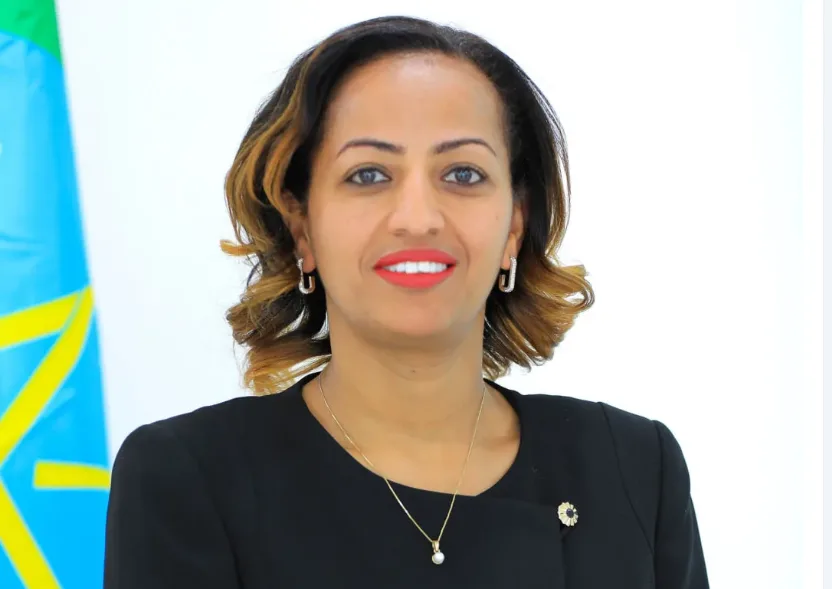
Minister of Health Dr. Mekdes Daba has acknowledged the crisis, confirming the irregular pay schemes during virtual meetings with medical staff. While the Minister urged patience and instructed hospital leadership to secure alternative funding to settle the arrears, many professionals remain skeptical, noting that previous judicial orders for payment have gone ignored by regional authorities.
Contrastingly, the Oromia Regional Health Bureau has taken a more aggressive stance, issuing a strict directive to all zones to settle outstanding overtime payments immediately. The bureau admitted to the systemic failures in pay distribution and signaled an effort to correct the record.
However, reports from other regions, such as Southern Ethiopia, indicate that the crisis extends beyond overtime pay to include delayed base salaries, which has caused medical services in some areas to collapse entirely.
The federal directive intended to provide a nationwide standard including a cap of 212 overtime hours per month and standardized pay rates for nights, weekends, and holidays remains largely ineffective in practice.
Health associations warn that without immediate federal intervention to enforce financial accountability, the ongoing conflict between regional governments and medical staff will continue to degrade the quality of care and force a mass exodus of essential healthcare workers.